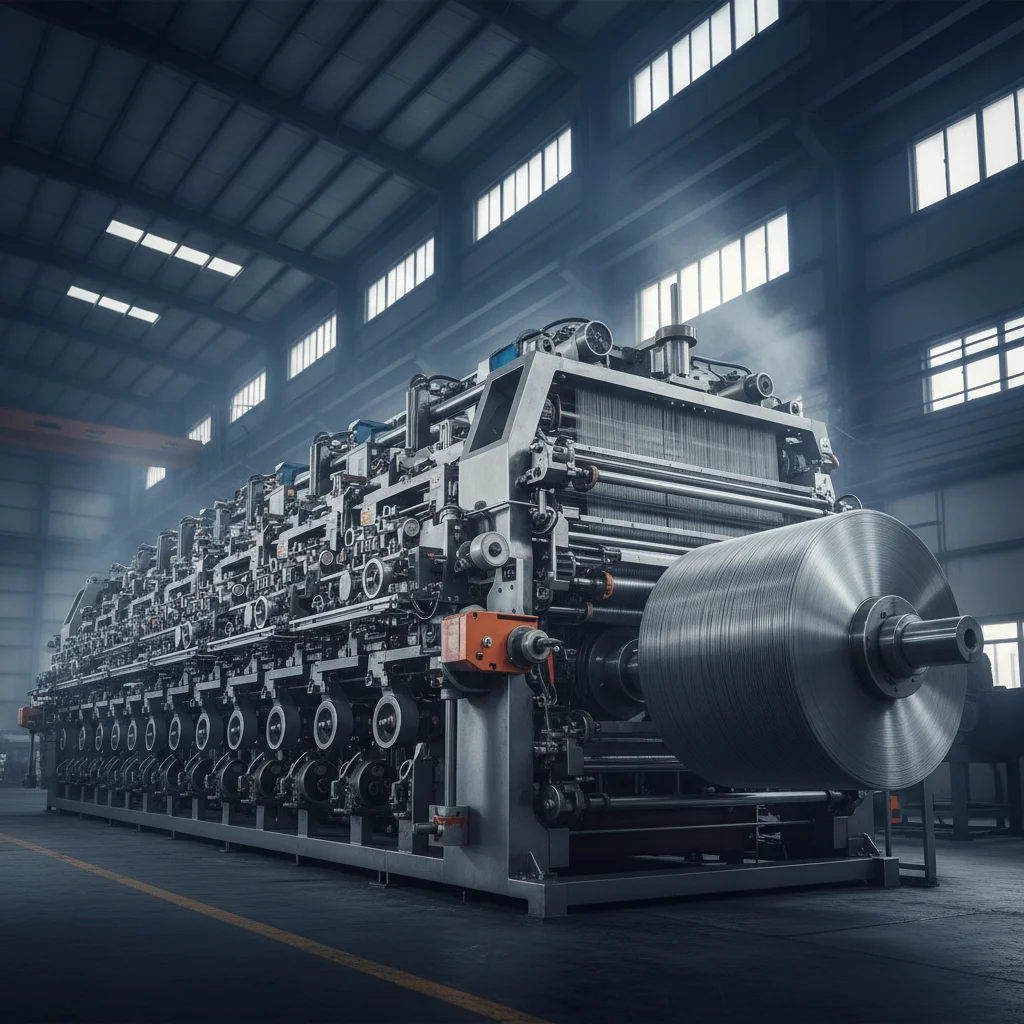
The global demand for sustainable infrastructure and erosion control has propelled the gabion wire mesh machine into a critical role within the specialized machinery sector. As urban expansion pushes into fragile ecosystems and riverbanks, the ability to produce high-quality, double-twisted hexagonal mesh at scale becomes paramount for engineers and environmental agencies worldwide.
Understanding the intricacies of a gabion wire mesh machine is not merely about technical specifications; it is about optimizing the balance between structural integrity and production efficiency. These machines allow for the creation of permeable cages that hold rocks, providing a flexible and durable solution for retaining walls and flood defense systems that integrate naturally with the environment.
By leveraging advanced automation and precision weaving, modern manufacturers can now produce wire mesh that meets rigorous ISO standards, ensuring that gabions withstand extreme hydraulic pressure and corrosive atmospheres. This guide explores the technological evolution, practical applications, and economic value of investing in high-performance gabion weaving equipment.
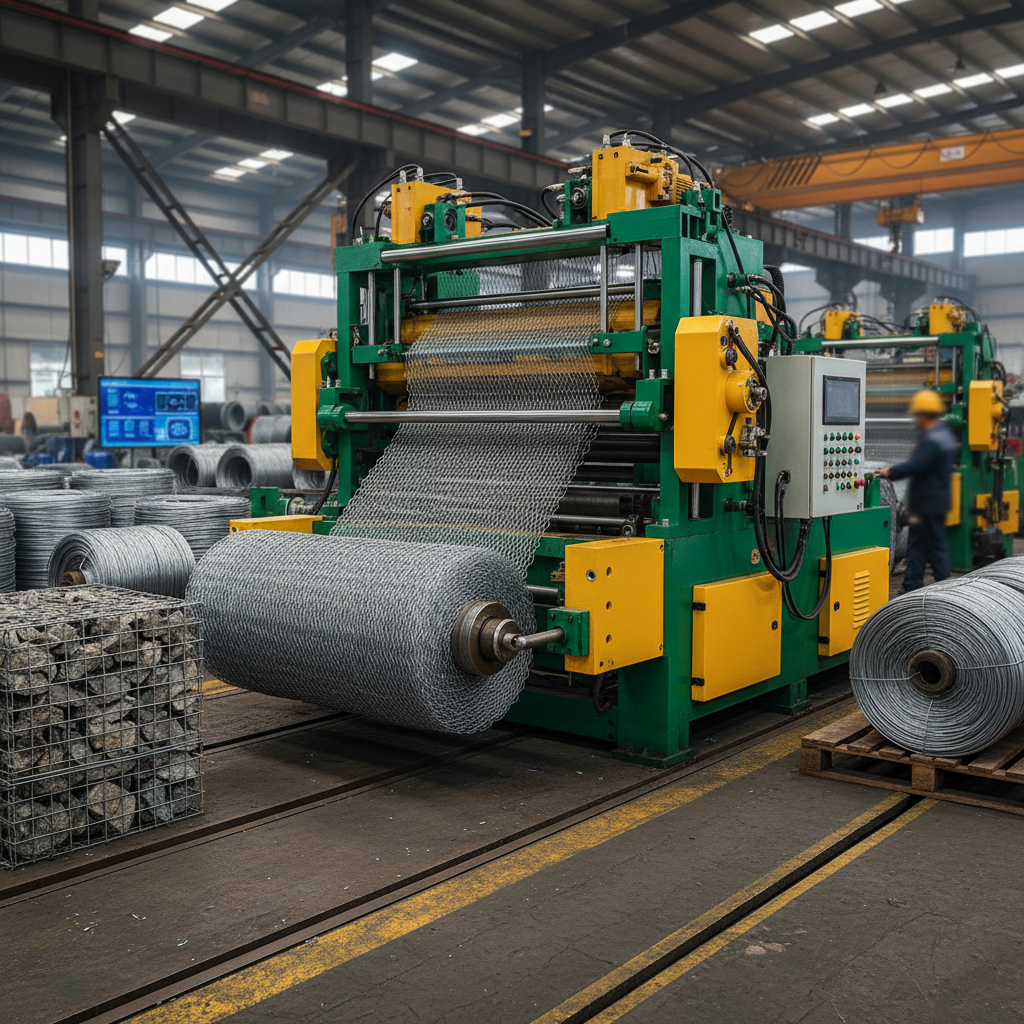
Global Industry Context of Gabion Wire Mesh Machines
In the current global landscape, the infrastructure sector is shifting toward "nature-based solutions" to combat climate change and soil erosion. Data from international development banks suggest a significant increase in funding for riverbank stabilization and coastal protection projects, which directly drives the demand for the gabion wire mesh machine. The necessity for high-tensile, galvanized, or PVC-coated mesh means that production capacity must be paired with extreme precision.
The challenge facing many developing regions is the lack of localized production, leading to high import costs for gabion baskets. By implementing localized gabion wire mesh machine installations, countries can reduce their carbon footprint associated with transport and create industrial jobs while securing their own critical infrastructure against landslides and floods.
Defining the Gabion Wire Mesh Machine and Its Purpose
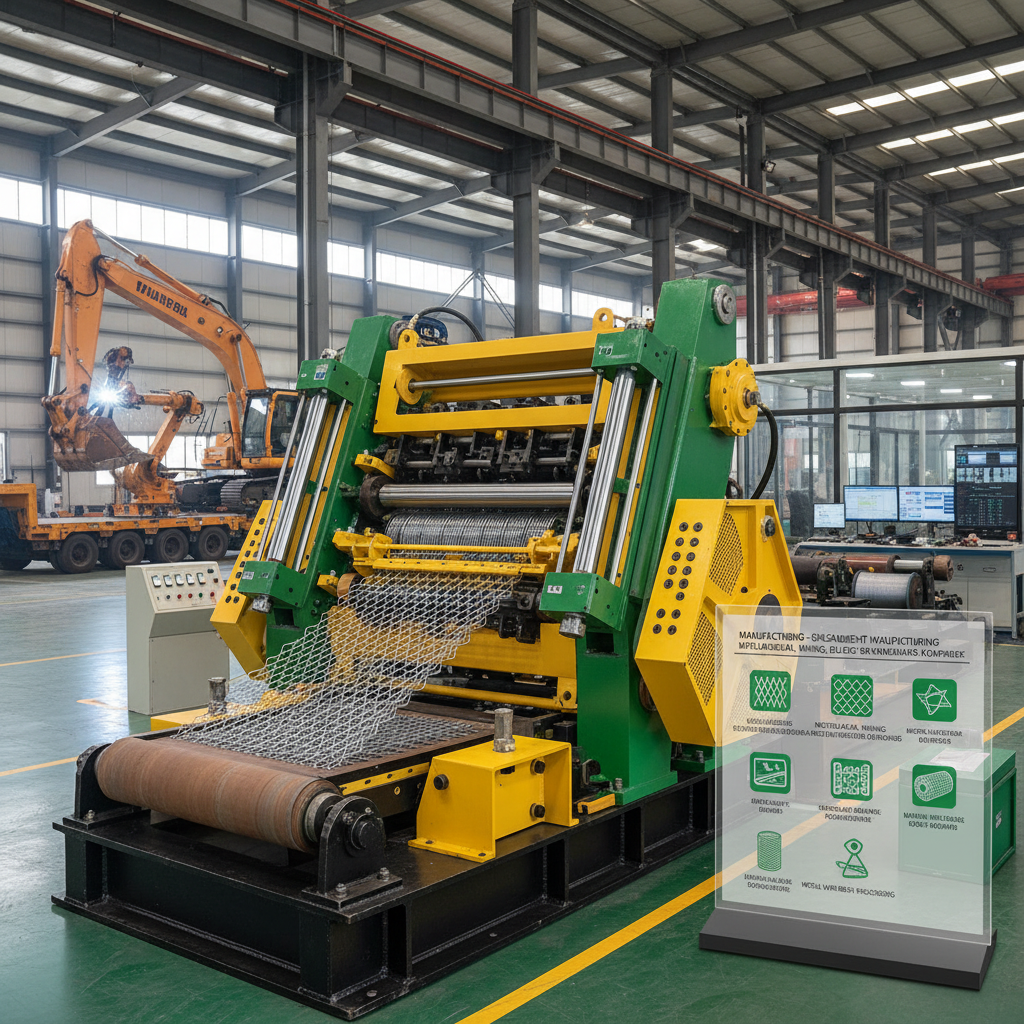
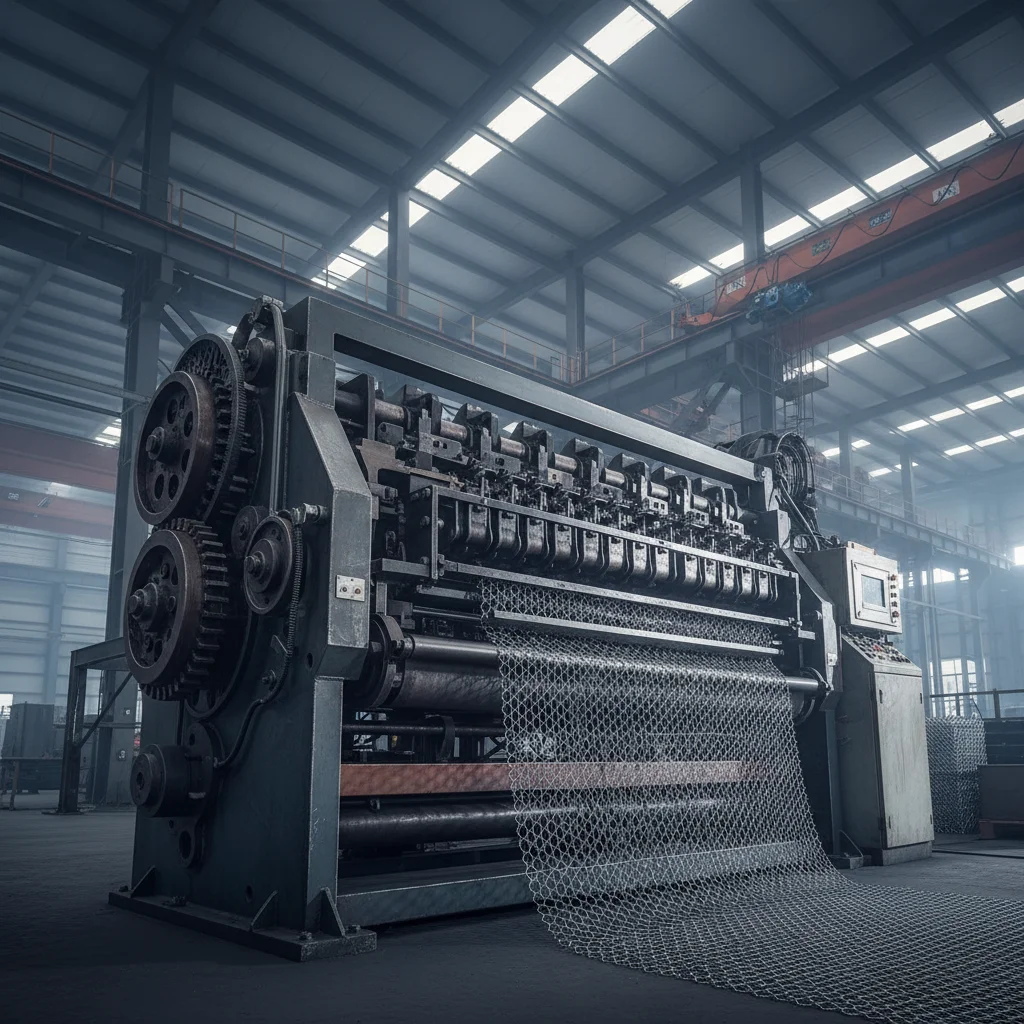
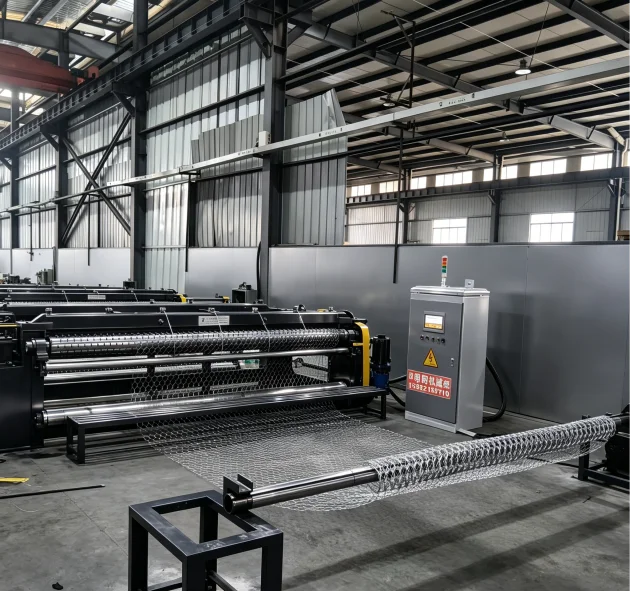
A gabion wire mesh machine is a specialized industrial weaving system designed to produce hexagonal wire mesh, often referred to as "chicken wire" in smaller scales, but engineered for heavy-duty structural use in gabions. Unlike standard rectangular weaving, these machines employ a complex twisting mechanism that ensures the mesh does not unravel even if a single wire is cut, a critical safety feature for retaining walls.
At its core, the machine transforms raw galvanized steel wire into a continuous fabric of interlocking hexagons. This specific geometry is not accidental; it allows the mesh to deform under pressure without losing its structural integrity, making it the gold standard for humanitarian needs such as rapid flood barrier construction and emergency soil stabilization in disaster-prone zones.
In the modern industrial context, these machines have evolved from manual looms to fully automated PLC-controlled systems. This transition ensures that the mesh size remains consistent across kilometers of production, which is essential for maintaining the load-bearing calculations required by civil engineering standards.
Core Components Driving Production Efficiency
The efficiency of a gabion wire mesh machine depends heavily on the precision of its twisting head. This component is responsible for the "double-twist" that prevents the mesh from sliding, ensuring that the resulting baskets can hold several tons of rock without bulging or bursting.
Material feeding systems in a high-end gabion wire mesh machine utilize tension control sensors to prevent wire breakage. Because galvanized wire can vary slightly in diameter, these automated adjustments maintain a constant weave density, reducing waste and increasing the overall output of the facility.
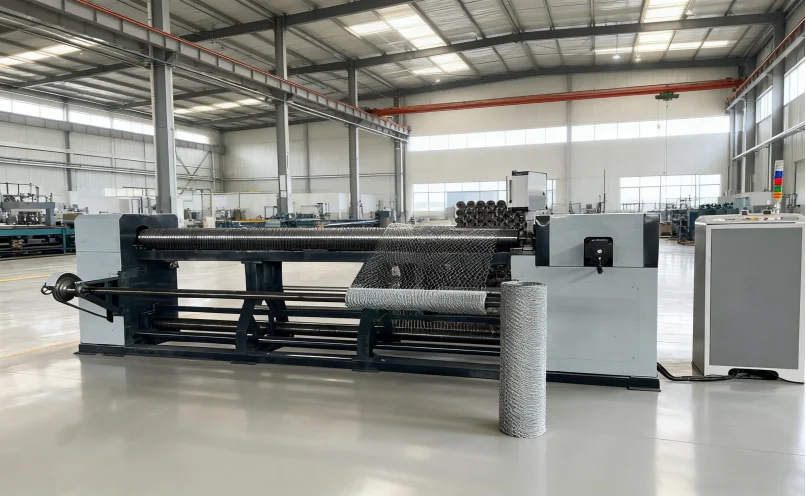
Finally, the cutting and winding mechanism ensures that the produced mesh is rolled in precise widths. This is vital for the downstream assembly of gabion boxes, where accurate dimensions are required to ensure seamless interlocking on-site, reducing the labor time needed for installation.
Comparative Performance of Weaving Technologies
When evaluating the market, operators often compare different configurations of the gabion wire mesh machine. The choice usually boils down to the trade-off between production speed and the versatility of the mesh sizes produced. High-speed automated lines are ideal for mass-market standardization, while modular machines offer the flexibility to switch between different hexagon sizes for specialized architectural projects.
Modern data indicates that the integration of servo motors has significantly reduced the energy consumption per meter of mesh. By optimizing the torque applied during the twisting phase, these machines not only last longer but also produce a more uniform product that exceeds the durability requirements of coastal erosion projects.
Efficiency Analysis of Gabion Wire Mesh Machine Models
Global Applications and Environmental Use Cases
The output of a gabion wire mesh machine is deployed in some of the world's most challenging environments. In Southeast Asia, gabion baskets are used extensively for riverbank protection to prevent seasonal monsoon flooding from destroying agricultural land. The permeability of the mesh allows water to flow through while the rocks dissipate the energy of the current, preventing further erosion.
Beyond civil engineering, these machines support ecological restoration. In mountainous regions of South America and Africa, gabions are used to create terrace walls that prevent landslides, protecting remote villages. The ability to fill these baskets with local stone makes the solution cost-effective and visually harmonious with the natural landscape, proving that industrial machinery can serve humanitarian and environmental goals.
Long-Term Value and Sustainability Advantages
Investing in a high-quality gabion wire mesh machine provides long-term economic value through reduced material waste and increased product lifespan. When the weaving is precise, the tension is distributed evenly across the mesh, which means the final gabions are less likely to fail under load, reducing the need for expensive maintenance and replacement.
From a sustainability perspective, gabions are far more eco-friendly than poured concrete walls. They are fully permeable and allow vegetation to grow through the mesh over time, eventually creating a "living wall" that supports biodiversity. The machinery used to create these meshes enables a circular economy by allowing the use of recycled steel wire in the production process.
The reliability of the equipment also translates to trust in the infrastructure. For governments and NGOs, knowing that the mesh was produced by a calibrated gabion wire mesh machine ensures that safety standards are met, providing peace of mind for the communities relying on these structures for protection.
Future Trends in Gabion Mesh Automation
The future of the gabion wire mesh machine lies in the integration of Industry 4.0. We are seeing the rise of "smart weaving," where IoT sensors monitor wire tension and machine wear in real-time, predicting maintenance needs before a breakdown occurs. This minimizes downtime and ensures that production schedules for massive infrastructure projects are never interrupted.
Material science is also evolving, with new polymer coatings and high-strength alloys becoming standard. Future machines will need to be adaptable to these tougher materials, requiring more powerful motors and specialized twisting heads to maintain the same speed and precision without compromising the coating's integrity.
Furthermore, the shift toward green energy is influencing machine design. New generations of weaving equipment are being engineered for higher energy efficiency, reducing the carbon footprint of the manufacturing process itself. This aligns the production of erosion control tools with the overall goal of environmental preservation.
Comparison of Gabion Wire Mesh Machine Technology Generations
| Tech Generation |
Control System |
Production Speed |
Waste Rate |
| Manual/Mechanical |
Gear-driven |
Low |
High (8-12%) |
| Semi-Automatic |
Relay Control |
Medium |
Medium (5-8%) |
| PLC-Automated |
Digital PLC |
High |
Low (2-4%) |
| Servo-Precision |
Servo-Control |
Very High |
Very Low (<2%) |
| IoT-Integrated |
Cloud/AI Monitor |
Optimized |
Minimal (<1%) |
| Hybrid-Eco Model |
Energy-Saving PLC |
High |
Low (1-3%) |
FAQS
The primary difference lies in the weaving technique. A gabion wire mesh machine is specifically engineered to produce a double-twisted hexagonal weave. This ensures that if one wire is severed, the surrounding mesh remains intact and does not unravel, which is essential for the structural loads carried by stone-filled gabions. Standard machines often produce single twists or rectangular weaves that lack this specific failure-resistance.
Yes, most modern high-end gabion machines are designed to handle PVC-coated galvanized wire. However, it requires specific adjustments to the twisting heads and tensioners to ensure the coating is not stripped or damaged during the weaving process. We recommend using machines with adjustable tension control to maintain the integrity of the protective layer.
The mesh size depends on the application. For heavy-duty retaining walls, a smaller hexagon (e.g., 60x100mm) is typically used to provide more support. For lighter erosion control, larger hexagons may suffice. Ensure your machine has interchangeable parts or a digital adjustment system to switch between these sizes based on your project requirements.
With proper maintenance, a high-quality gabion wire mesh machine can last 10 to 15 years. The key is regular lubrication of the twisting heads and timely replacement of wear parts. Using PLC-controlled machines often extends the lifespan by preventing mechanical overloads and ensuring smoother operation.
Absolutely. Advanced models integrate automatic cutting and winding units that roll the mesh into precise widths and lengths. This eliminates the need for manual cutting and significantly speeds up the transition from raw mesh production to the assembly of gabion boxes, reducing labor costs by up to 40%.
To meet ISO standards, the mesh must have consistent wire diameter and hexagon size throughout the roll. This is best achieved using a gabion wire mesh machine equipped with precision sensors and a reliable PLC system. Regular quality checks and using certified raw galvanized wire are also crucial steps in the process.
Conclusion
The gabion wire mesh machine stands as a cornerstone of modern environmental engineering, bridging the gap between industrial production and ecological preservation. By automating the complex double-twist hexagonal weave, these machines enable the creation of durable, flexible, and sustainable infrastructure that protects our landscapes and communities from the unpredictable forces of nature.
As we look toward a future defined by climate resilience, the investment in precision weaving technology becomes not just a business decision, but a contribution to global safety and sustainability. For those looking to enter the market or upgrade their capacity, focusing on automation, material versatility, and energy efficiency will be the key to long-term success. Visit our website for more information: www.htmeshmachines.com